Are We Protecting Our Peace—or Avoiding Love?|我們是在維持清醒人設,還是在逃避愛?
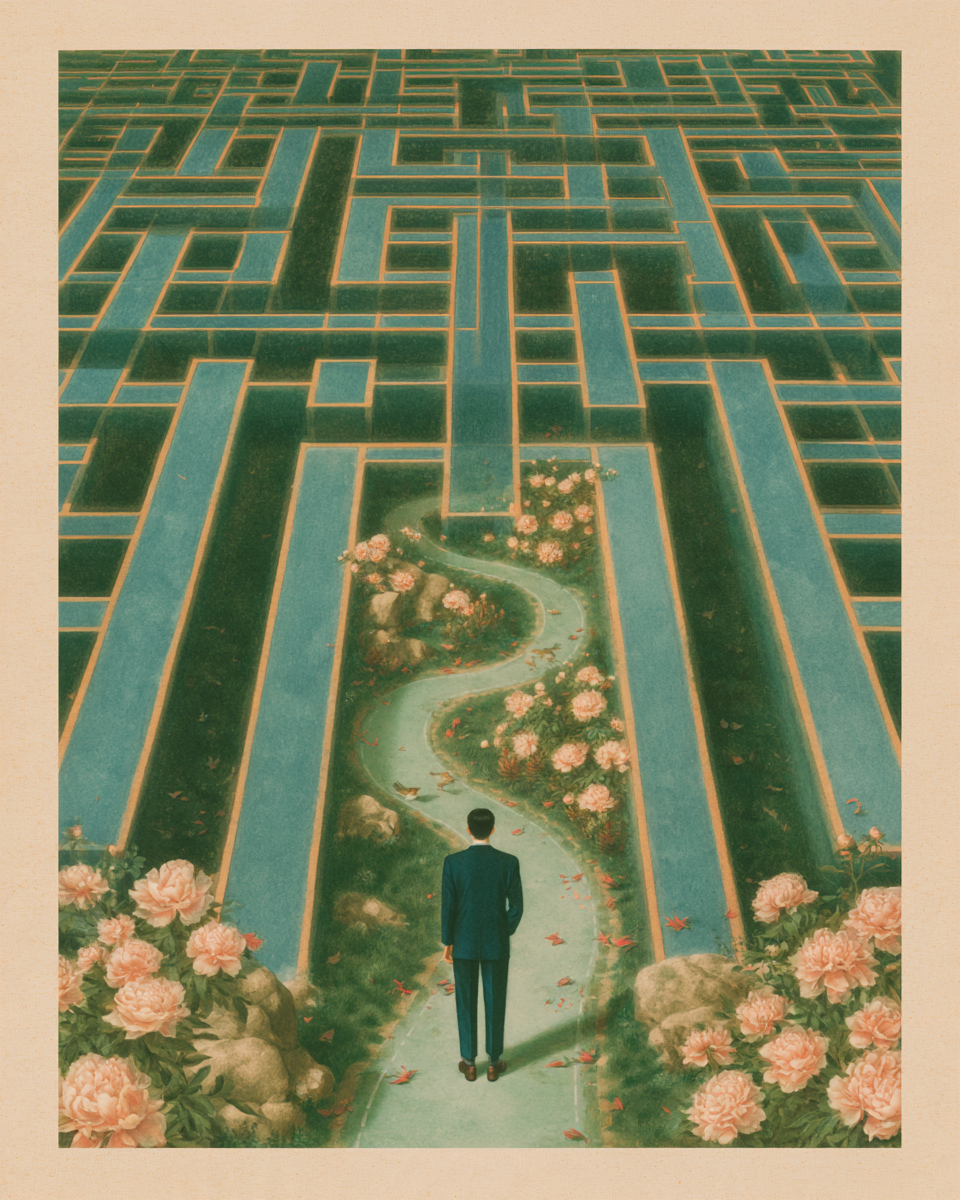
We love romance more than ever, and yet more and more of us seem to want less to do with it in real life.
I’ve always found that interesting.
We still watch love stories. We still read romance novels. We still get absurdly invested in whether two fictional people will end up together. We wait for the kiss, the confession, the person who finally turns around and comes back.
But when we return to real life, the way we talk about love sounds more and more like risk management.
Don’t lose your head.
Don’t get attached too quickly.
Stay clear-eyed.
Have your own life.
Don’t make anyone too important.
Don’t let one person have too much power over your emotions.
Does any of that make sense?
Of course it does.
You shouldn’t lose your judgment because of a relationship. You definitely shouldn’t tolerate someone hurting you just because you love them.
But I still find myself wondering:
Have we pushed this whole idea of “don’t get hurt” a little too far?
A lot of what we now call being “clear-headed” is, if we’re being honest, really about staying in control.
I can’t love you too much, because if I do, you’ll have the power to hurt me.
I can’t need you too much, because needing someone somehow feels like proof that I’m not independent enough.
I should always be able to leave.
Always have an exit.
Never be the one who looks foolish.
So we learn about red flags. Attachment styles. Boundaries. We start keeping track of who gave more, who caught feelings first, who has more leverage, who cares less.
We are getting very good at analyzing relationships.
But are we actually getting better at loving?
Maybe that is part of why heteropessimism resonates with so many people.
It isn’t that we no longer believe in love.
If anything, we may still want it very badly.
We are just becoming more pessimistic about intimacy in the real world.
Because real love has one deeply inconvenient quality:
It does not let you stay in control all the time.
You might love someone who does not choose you in the end.
You might give a lot and not receive the same amount back.
You might wake up one day and realize that the person you thought would stay for years was only meant to walk with you this far.
Worse, loving someone may introduce you to a version of yourself you don’t particularly like.
Jealous.
Fragile.
Irrational.
Anxious.
Nothing like the calm, competent person you thought you were.
And yet I keep coming back to one very simple thought:
So what?
If the most important thing in life is to never lose control, then there are a lot of things we probably shouldn’t do at all.
Always choose the safest career.
Always love the safest person.
Always make the decision with the highest odds of success.
Always keep a way out.
From birth to death, just keep choosing the optimal path.
But if that is what life is, what exactly are we here to experience?
The “best possible route”?
Are we supposed to move through life like an algorithm, minimizing risk, maximizing return, and successfully completing the program?
The world is not exactly short on things that know how to calculate.
AI can already do that better than we can.
What makes being human interesting is that sometimes we do things that make very little sense on paper.
We fall in love.
We miss people.
We become ridiculously happy because of something small. We are devastated by losing something we cared about.
We feel enormous joy, enormous grief, enormous anger.
And then what?
Then we find our way back.
I don’t think losing control is inherently good.
I don’t think destroying yourself for love is romantic either.
In fact, I think the impressive thing is not going through an entire life without ever losing your balance.
It is knowing that you might lose your balance, and also knowing:
I can come back.
I can love someone deeply, and if one day that relationship starts hurting me, I can still leave.
I can be shattered for a while and eventually pick myself up, piece by piece.
I can even admit:
Yes. I chose wrong that time.
But that was still my life.
So the question I’m interested in has never really been whether it is good or bad to “lose your head” over love.
What I really want to ask is this:
If we become so afraid of losing ourselves that we no longer allow anyone to truly enter our lives, then what exactly have we protected?
Ourselves?
Or a life that may never be devastated, but may never be ecstatic either?
我們是在維持清醒人設,還是在逃避愛?
我們學會保持獨立、設下界線,也學會避免受傷。但也許成熟不是從不失去平衡,而是知道自己終究能找回來。
我們比任何時代都愛看愛情,卻愈來愈不想談戀愛。
我一直覺得這件事很有趣。
大家還是看愛情劇、讀愛情小說,還是會為兩個虛構人物到底有沒有在一起急得要命,等一個吻、一次告白、一個終於回頭的人。
可是回到現實世界,我們談愛情的方式,卻愈來愈像在做風險管理。
不要戀愛腦。
不要投入太快。
要保持清醒。
要有自己的生活。
不要把任何人看得太重要。
不要讓一個人影響你的情緒。
這些話有沒有道理?
當然有。
你不應該為了一段關係失去判斷,更不應該因為愛一個人,就容忍他傷害你。
可是我有時候還是會想:
我們是不是把「不要受傷」這件事推得太遠了?
很多今天被稱為「清醒」的東西,說穿了,其實是在維持控制。
我不能太愛你,因為一旦太愛,你就有能力傷害我。
我不能太需要你,因為需要一個人,好像就代表我不夠獨立。
我最好隨時都能抽身,永遠有退路,永遠不要狼狽。
於是我們學 red flag、學依附理論、學界線,開始分析誰付出比較多、誰先暈船、誰比較有主導權。
我們愈來愈會分析關係。
可是,我們真的愈來愈敢愛嗎?
也許這就是 heteropessimism 讓那麼多人有共鳴的地方。
我們並沒有不相信愛情。
恰恰相反,我們可能還是非常渴望它。
只是對真實世界裡的親密關係,愈來愈悲觀。
因為真實的愛情有一件很討厭的事:
它沒有辦法保證你永遠掌握局面。
你可能愛上一個最後沒有選你的人。
你可能付出了很多,沒有得到同樣的回應。
你也可能有一天才發現,那個你以為會陪你很久的人,真的就只能陪你走到這裡。
更糟的是,你可能會因為一個人,看見一個自己很不喜歡的自己。
嫉妒、脆弱、不理性、患得患失。
不像平常那個冷靜又能幹的你。
可是我常常會想到一句很簡單的話:
那又怎麼樣?
如果人生最重要的事情,就是永遠不要失去控制,那其實很多事情都不用做了。
永遠選最穩的工作。
永遠愛最安全的人。
永遠做勝率最高的選擇。
永遠替自己留一條退路。
從出生到死亡,一路執行最優解。
可是如果人生只是這樣,那我們到底是來體驗什麼的?
體驗「最佳路徑」嗎?
然後像一個演算法一樣,把風險降到最低,把報酬拉到最高,最後順利跑完整個程序?
這個世界已經不缺會計算的東西了。
甚至 AI 會比我們算得更好。
人有意思的地方,偏偏就是我們有時候會去做一些算起來不太划算的事。
我們會愛上一個人。
會很想念一個人。
會為某些事情高興得不得了,也會為某些失去痛得不得了。
會有狂喜、狂悲、狂怒。
然後呢?
然後再慢慢回來。
我並不是覺得失控很好。
也不是覺得「為愛毀掉自己」有什麼浪漫。
我反而覺得,真正厲害的不是一輩子從來沒有失去平衡。
而是你知道自己可能會失去平衡,卻也知道:
我回得來。
我可以很愛一個人,但如果有一天這段關係開始傷害我,我也能走。
我可以曾經痛得不像自己,最後還是把自己一片一片撿回來。
我甚至可以承認:
對,我那時候就是選錯了。
可是那也是我的人生。
所以我真正想問的,從來不是「戀愛腦到底好不好」。
我比較想問的是——
如果我們為了不要失去自己,從此不再允許任何人真正走進來,那最後保護住的,到底是自己,還是一個永遠不會受傷、也永遠不會真正狂喜的人生?